
I help hospital boards understand and govern AI.
For 20 years I’ve helped healthcare leaders think through emerging technology.
Today I work primarily with hospital boards at local meetings and retreats, because boards are being asked to govern AI tools arriving so quickly that trustees have not had the time to understand them or catch up. I help fix that.
I didn't start thinking about AI when ChatGPT came out. I was programming logic-based AI systems nearly 40 years ago at Shearson Smith Barney. I have watched this technology evolve from theoretical computer science to enterprise reality. I understand institutional risk, and I am not easily rattled.
My job is to make sure hospital boards and executives aren't rattled either.
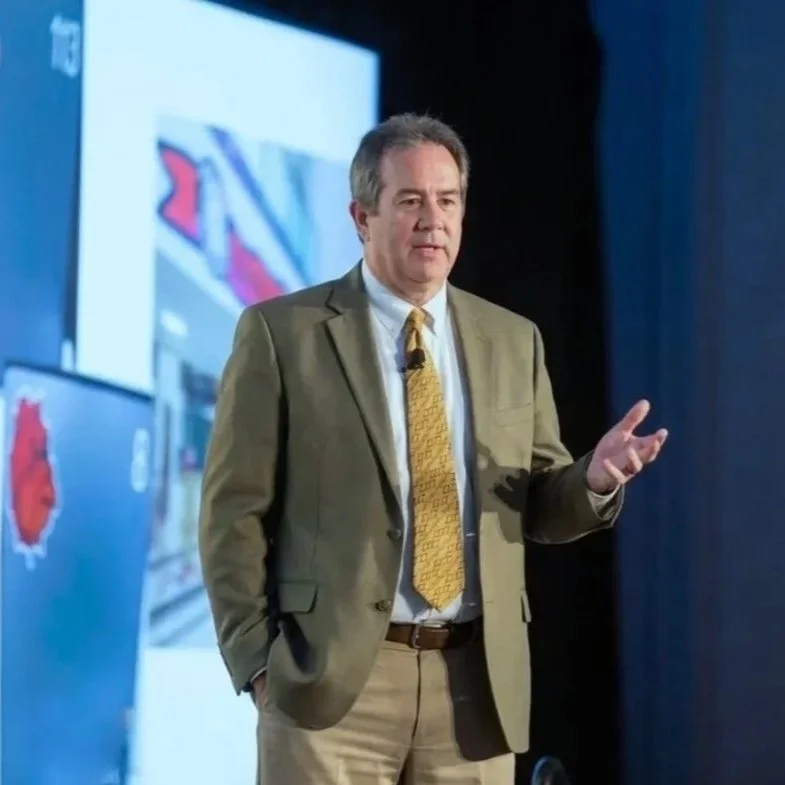
What I learned in a room of 150 healthcare leaders.
I recently asked an audience how many knew what an LLM was. 16 hands went up. I asked how many knew what RAG was. Zero.
These were smart, senior people — the kind who sit on hospital boards or answer to them. They’re being asked to govern a technology stack whose vocabulary they’ve never been taught.
This is a consequence of the fastest growing, most disruptive, technology in the history of healthcare. That’s the gap I help close.





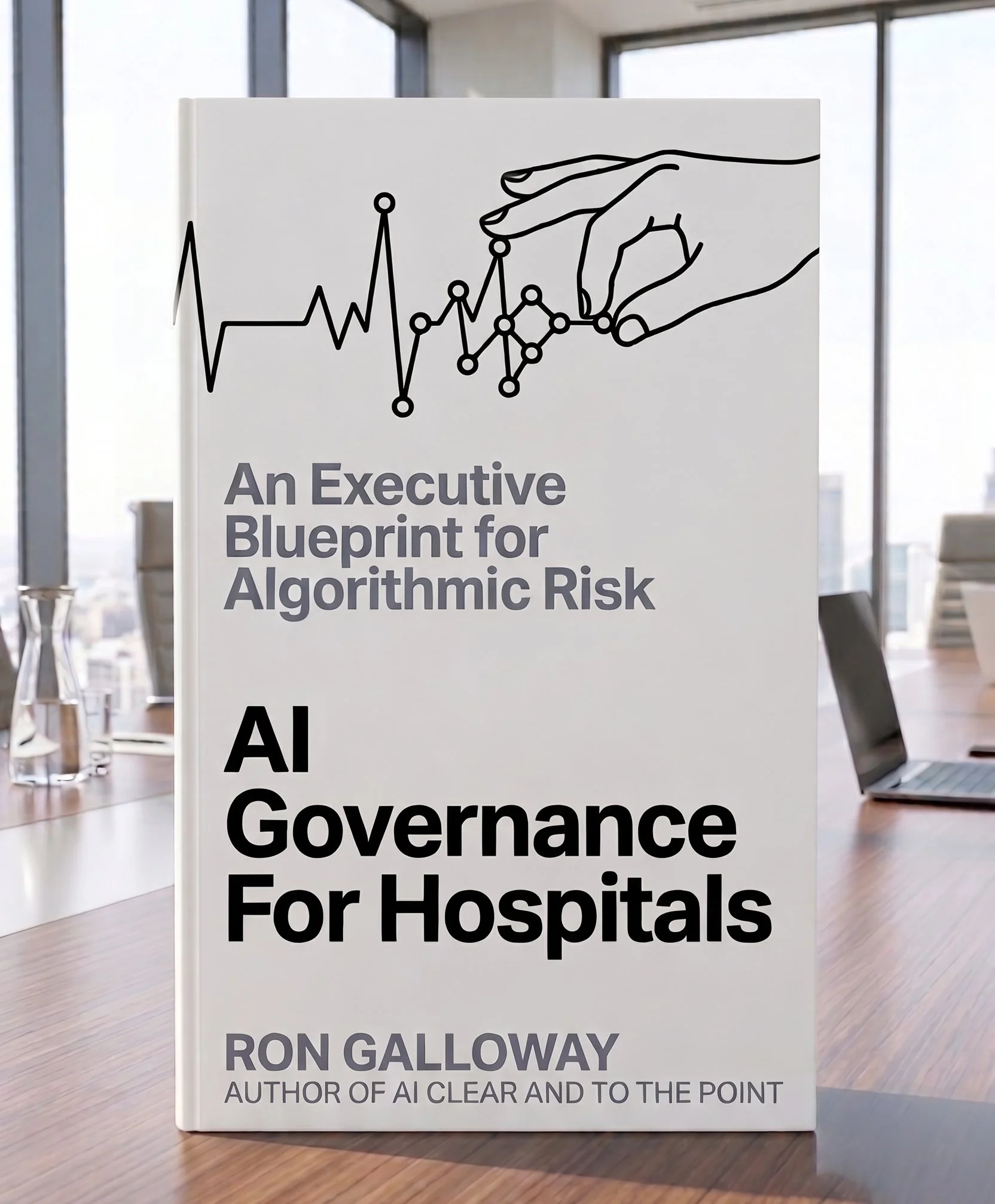
ON AMAZON AND APPLE BOOKS SOON. READ BETA ONLINE HERE.
AI Governance For Hospitals centers on the rapidly changing regulatory and fiduciary expectations facing hospital boardrooms and C-suite leaders. Fully current with the May 2026 release of the Responsible Use of AI in Healthcare playbooks, jointly published by the Coalition for Health AI (CHAI) and The Joint Commission, this text translates abstract safety dimensions into concrete, auditable elements of performance. Driven by these new standards, emerging state legislation, and federal ONC HTI-1 mandates, hospital leadership must assume ultimate accountability for algorithmic bias, data lineage traceability, and third-party contract vulnerabilities.
The book offers a strategic roadmap to transition away from fragmented, department-level tracking toward a unified enterprise portfolio architecture, ensuring that a hospital's clinical mission remains secure in the machine era.
Board Retreats and Board Education
I work around a board’s time constraints. One hour, 2 hour or half-day formats. Books included for every attendee. I develop a custom agenda built around where your board actually is — not where a generic keynote assumes you are.
I am a graduate of Georgia Tech. My background is institutional analysis, including tenure as a research analyst at Shearson/Smith Barney and a decade at a quantitative RIA. In 2006, I founded the institutional research firm 818 Research LLC, which provides lateral insights to investment advisors.
My involvement in Artificial Intelligence and machine learning spans 38 years, beginning with programming in Turbo Prolog at Shearson in my mid-20s. I am the author of several books on technology and have produced three documentaries.
My work has been featured by global media outlets including The Wall Street Journal, The New York Times, CNN, CNBC, the BBC, and The Daily Show with Jon Stewart.
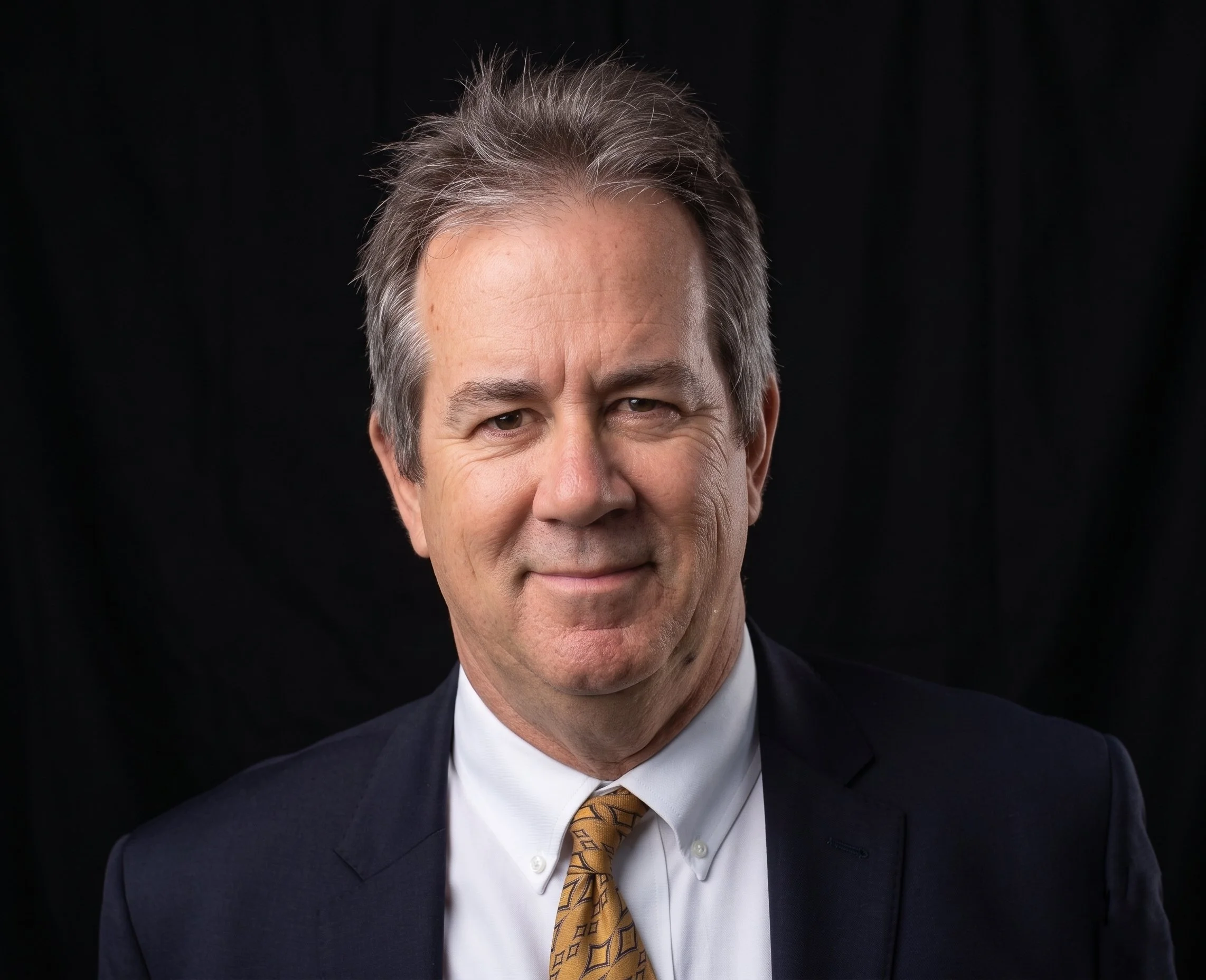
For hospital board retreats or select corporate AI keynotes, please get in touch.